
The Glide: Winnie Chan on Designing the Trophy for Czech Olympic Winners
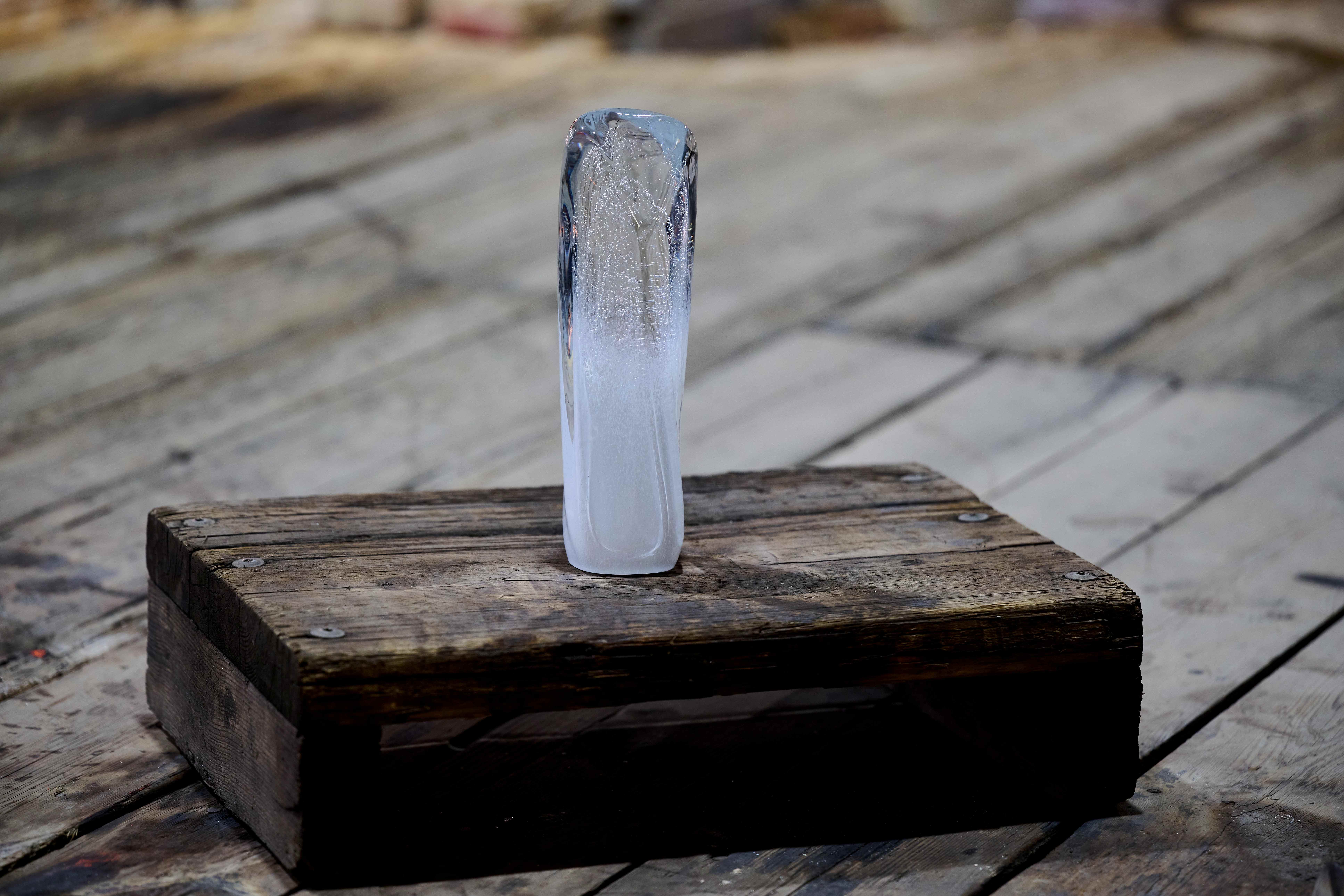
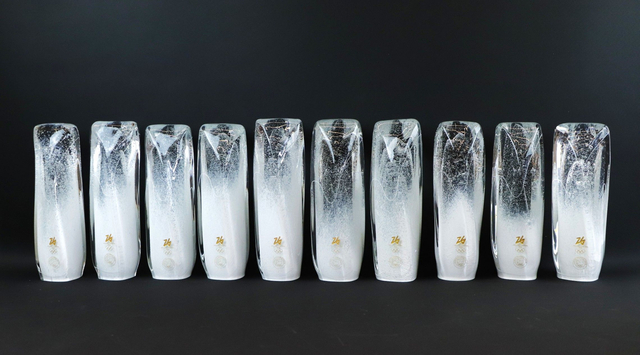
Designed for Czech Olympic medalists at the Milano Cortina 2026 Winter Games, The Glide is a handblown glass trophy created by Winnie Chan for Lasvit. Inspired by movement, discipline, and the effort behind athletic excellence, the sculptural object reflects both the rhythm of winter sports and Winnie’s deeply personal connection to them.
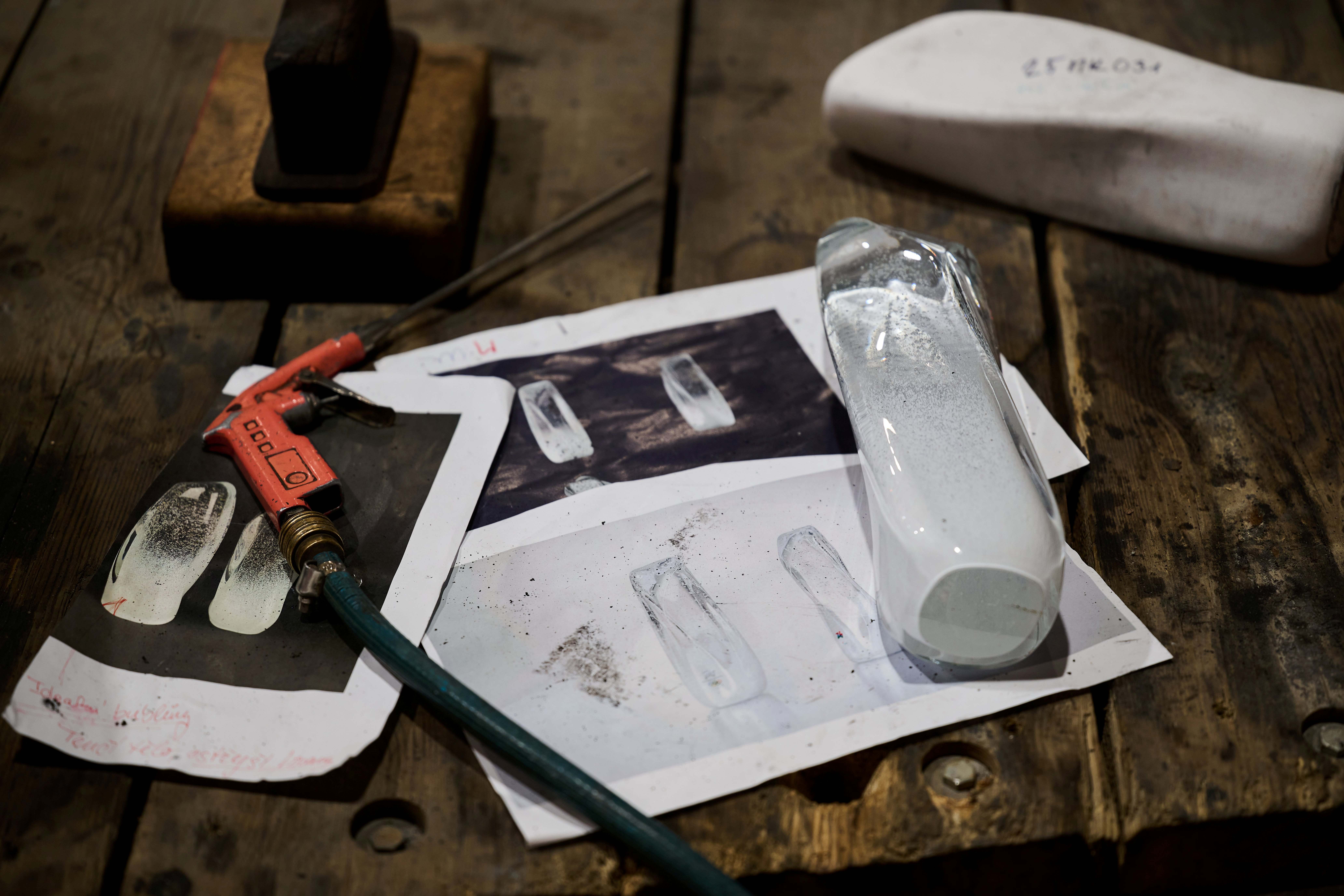
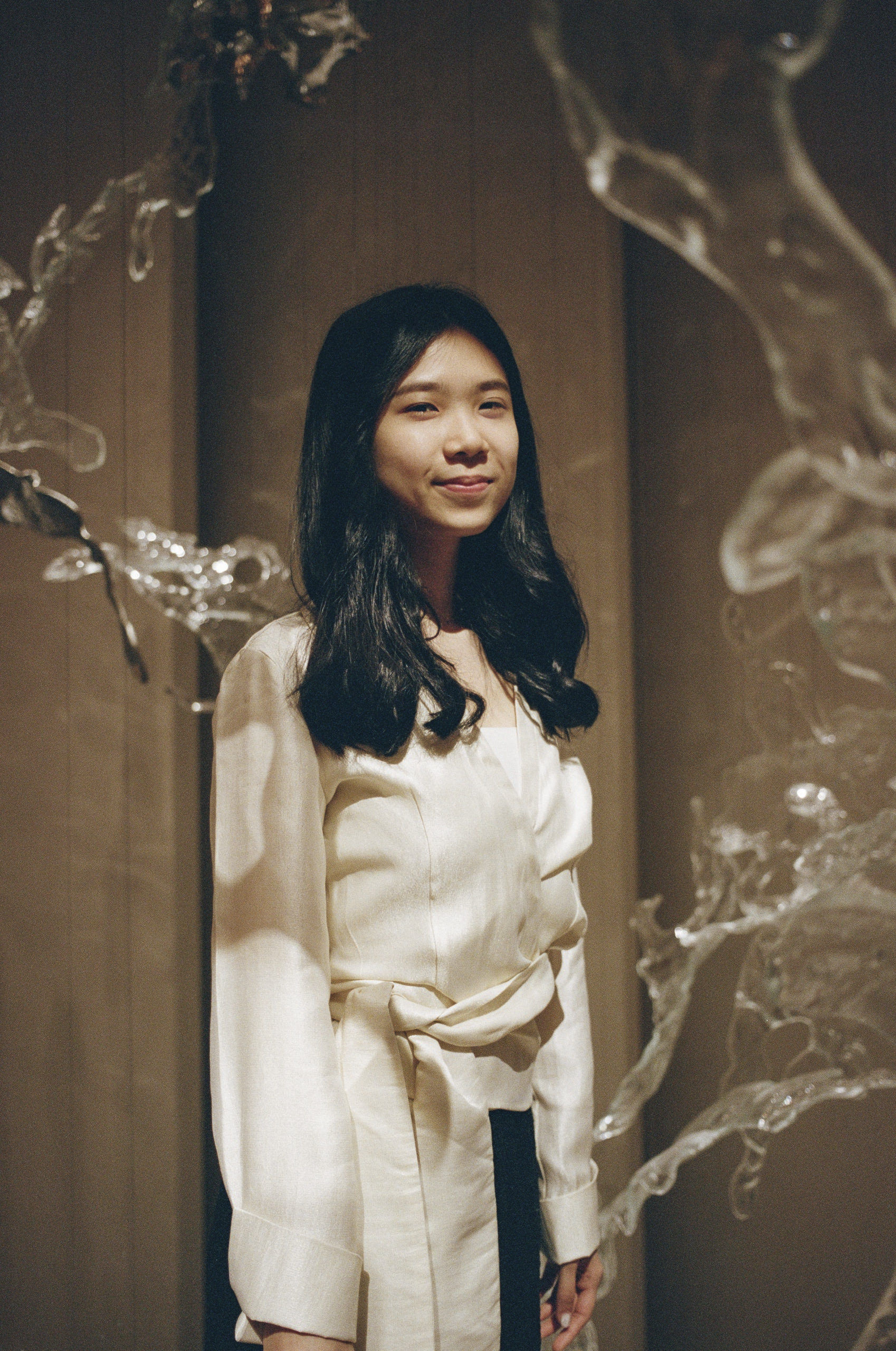
Grace, speed, and years of unseen preparation often culminate in a single moment. For the Czech Olympic winners at the Milano Cortina 2026, that moment will be marked by a glass trophy that captures motion in a seemingly effortless form. In this interview, the designer Winnie Chan speaks about the origins of the design, her relationship to winter sports, and the craftsmanship that turns athletic movement into a lasting object. Why – The Glide? The Glide represents grace in motion, a perfect harmony of effort and elegance. To me, it symbolizes the journey of athletes, where every movement is purposeful, fluid, and precise. The flowing lines in the design capture this seamless motion, embodying the dedication and perseverance athletes invest in perfecting their craft, just like the scoring lines on the snow. The twisted design then embodies a sense of speed and grace, reflecting the dynamism and precision of the athletes it honours. I believe that behind every race lies an incredible amount of hard work, discipline, and resilience. That process, often unseen, that makes every race look so smooth and effortless, was a big inspiration for this design. The Glide is a tribute to all athletes who strive for excellence with such determination and grace. What inspired the design of the trophy? My inspiration came from the natural beauty and textures of winter – how ice and snow glisten in the light, creating an almost magical, ethereal quality. Delicate bubbles and a gradient in transparency enhance the trophy’s frosty aesthetic, creating a captivating interplay of light and texture that echoes the crystalline beauty of snow and ice. Sandblasted flowing lines reminiscent of the Olympic pictogram visual identity reflect the scoring marks on snow and ice. They capture the energy, rhythm, and artistry inherent in winter sports. The design is also deeply personal for me. Growing up, I had family members living in Canada, where ice skating and skiing were common pastimes. My younger brother was a speed skating athlete – watching him train and compete gave me a profound appreciation for the beauty and dedication behind winter sports. What about you and winter sports? I’ve always had a connection to winter sports. With family members and relatives living in Canada, I’ve had the chance to experience skiing and ice skating since young, both of which are sports I enjoy. My favourite winter sport, however, would be speed skating and figure skating. Watching athletes train and compete gave me a unique perspective on the sport. I was inspired by the speed and precision of speed skating, and the elegance and gracefulness of figure skating; but even more so by what lies behind each seamless race and performance. For me, sport is more than just physical activity – it’s about discipline, perseverance, and growth. It’s a source of inspiration that teaches us to push boundaries and strive for excellence, values I try to reflect in my work as a designer. Can you tell us more about your journey to design and to Lasvit? Design has been a lifelong passion for me. I’ve always been fascinated by the way art can tell stories and evoke emotions. I was also drawn to working with materials that could bring those stories to life. Glass has always captivated me for its ability to transform light and space – it feels alive, constantly shifting and adapting to its surroundings. I grew up in Hong Kong and had the opportunity to study and work in London, a city that greatly influenced my creative perspective. Being surrounded by its rich history, vibrant art scene, and diverse cultures exposed me to new ideas and approaches to design. Those experiences shaped my creative philosophy and have allowed me to develop a deeper appreciation for craftsmanship and innovation. Joining Lasvit was a dream come true because of its dedication to merging traditional craftsmanship with modern innovation. It’s a place where creativity and vision are celebrated, and I’ve been fortunate to work with a team that shares my passion for pushing boundaries. Designing The Glide has been an incredible opportunity to combine my love for storytelling, nature, and my personal connection to winter sports. This piece is special to me because it reflects not only the beauty of motion and effort but also the inspiration I found in an athlete’s journey. How was the trophy crafted? The glass trophy for the Milano Cortina 2026 Winter Olympics is a unique piece crafted from handblown glass, which distinguishes it as a one-of-a-kind creation. Unlike traditional glass manufacturing methods that employ moulds, each trophy is meticulously shaped by the hands of a skilled glass artist. This artisanal approach ensures that no two pieces are identical. Each and every one different, each and every one singular. Each and every one brought to life to enliven the senses, to quicken the heart, to wake the mind, to spark a feeling. Throughout the crafting process, the artist constantly reshapes the glass to maintain its straight, upright form while achieving the distinctive twisted design that symbolizes melting ice or snow. This careful manipulation requires both precision and expertise, allowing the trophy to embody the fluidity of nature while retaining structural integrity. To enhance the trophy’s visual appeal, soda and opal powder were added to the hot glass, creating a beautiful gradient reminiscent of snow and ice. This technique adds depth and dimension, evoking the shimmering qualities of frost. After the initial shaping, flowing lines are then sandblasted onto the surface of the glass. This process creates a textured finish that represents the score lines in the slow and the elegant flow of the athletes, also allowing light to dance and interact in captivating ways. What makes this trophy truly special is not only its exceptional craftsmanship but also its ability to serve as a lasting tribute to the athletes who embody the spirit of these games – celebrating resilience, artistry, and the beauty of movement. About Winnie Chan "Design should not only be functional but also transformative." A graduate of Central Saint Martins in London, she embraces a design philosophy rooted in bringing nature indoors and crafting poetic objects that transform everyday spaces. With a deep passion for storytelling through design, she creates works that harmonize nature, art, and modernity. Guided by timeless elegance and thoughtful craftsmanship, her creations transcend trends, offering moments of beauty, reflection, and quiet harmony.